Young shinty players from the north of Skye could be denied the chance to compete at the National First Shinty Finals, despite winning their regional qualifying tournament.
North End Shinty, a combined team made up of pupils from several small primary schools, was victorious in the Skye area indoor qualifiers. Under normal circumstances, that would see the team represent the area at the National Finals in Fort William on 28 February.
However, North End coaches say a rule change introduced by the Camanachd Association has left the team unable to compete. The governing body has reduced the maximum combined school roll allowed for the competition from 150 to 80, a move North End Shinty says disproportionately affects small teams.
Coaches have also criticised the timing of the decision, which they say came partway through the indoor season after winter training had already begun. They argue that combined teams are essential in areas with declining school rolls, and that the change undermines efforts to promote inclusion and participation in shinty.
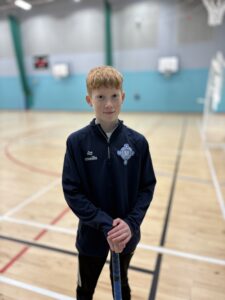
North End captain, Ellis Crawford
North End Shinty captain, 11-year-old Ellis Crawford said:
“I’m quite annoyed because we made it to the nationals last year as well, but this year we can’t do it. My teammates are annoyed too.”
North End Shinty coach, Ronnie Macdonald said:
“We’ve been as busy as we can be talking to the news and the press and we’ve sent letters to the Chief Executive of the Camanachd Association. Bruce Crawford, our other coach, has been in dialogue with Kate Forbes MSP who did get a response from the Chief Executive but it was a bit of a disappointing answer to be honest.
“They’re bringing the indoor tournaments in line with what they’ve already done with the outdoors, which we can’t really compete in because we don’t have the numbers to do it. The one indoor tournament that potentially we can play at a national level, the kids are effectively being told you can’t do that any longer.”

North End coaches, Bruce Crawford and Ronnie Macdonald
In response, the Camanachd Association said the rule change followed a national review of youth competitions and aligns with a newly introduced competition structure. The Association said the change was communicated before qualifying events began and is intended to encourage wider participation and create consistency across the country.
While acknowledging the challenges faced by areas with unique geographic and demographic issues, the Association said it remains committed to working constructively with schools and clubs within the agreed competition framework.
North End Shinty coaches say they will continue to challenge the decision and are working to raise awareness in the hope their players will still be able to take their place at the National Finals.
In a statement, the Camanachd Association said:
]]>“The Camanachd Association regularly reviews its youth and schools’ competition structures to ensure they remain fair, inclusive, and consistent across Scotland. Delivering national competitions can present challenges, as local circumstances vary significantly due to geography, demographics, participation levels, and differences in school structures.
“At the same time, the Association has a responsibility to strike a balance between maximising participation and supporting meaningful competitive opportunities that help develop young players. We work extensively with partners and stakeholders to create a wide range of school and youth competitions throughout the year, ensuring appropriate opportunities for different ages, abilities, and levels of experience.
“Following review, the decision was taken to move to a composite 80-pupil rule, aligning to the newly established small schools 6-a-side primary competition that was introduced to the player pathway last year. This approach is intended to encourage greater participation while providing a clearer and more consistent structure across school and youth competitions nationwide. The change was communicated externally in advance of the competition cycle and prior to any qualifying events, ensuring all schools and clubs were aware of the implications before participation began.
“We recognise that the change has presented practical challenges for some areas, particularly those with unique geographic and demographic circumstances. The Association remains committed to working constructively with areas to support participation, development, and sustainable growth within the agreed competition framework. However, the approach is designed to support broad participation, encourage more children to play within their own schools, and avoid the over-concentration of players within a small number of teams, while still allowing flexibility where schools genuinely need to combine.”